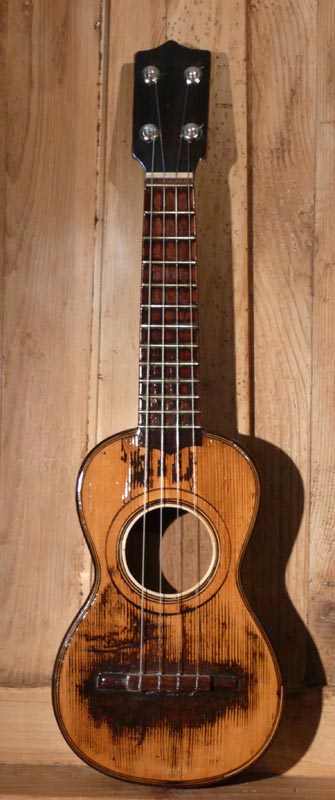
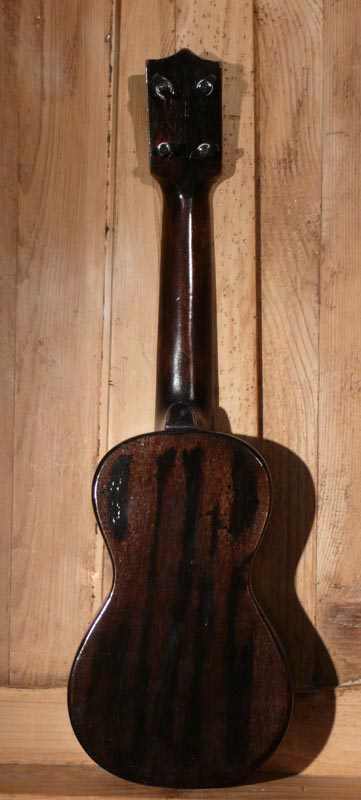
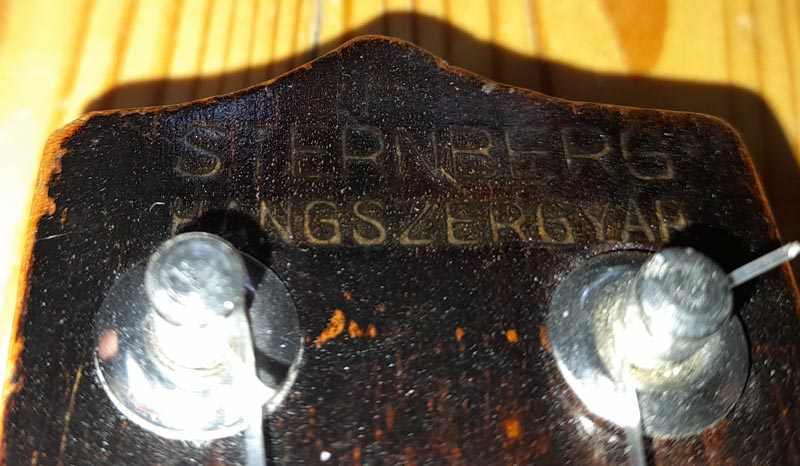
Ukulele – Distributed by Sternberg – Erzsébetváros – Budapest
| Dimensions | 531 × 162 × 53 mm |
|---|---|
| Name of musical instrument | Ukulele – Distributed by Sternberg – Erzsébetváros – Budapest |
| Type of musical instrument | |
| Typical place of occurrence | |
| Date of manufature of instrument | |
| Place of manufacture | |
| Made by | |
| Restored by | |
| Scale | |
| Number of strings | |
| How to play musical instrument | |
| Continent | |
| Country |
Ukulele
Developed in the 1880s, the ukulele is based on several small, guitar-like instruments of Portuguese origin, the machete, cavaquinho, timple, and rajão, introduced to the Hawaiian Islands by Portuguese immigrants from Madeira, the Azores and Cape Verde. Three immigrants in particular, Madeiran cabinet makers Manuel Nunes, José do Espírito Santo, and Augusto Dias, are generally credited as the first ukulele makers. Two weeks after they disembarked from the SS Ravenscrag in late August 1879, the Hawaiian Gazette reported that “Madeira Islanders recently arrived here, have been delighting the people with nightly street concerts.”https://en.wikipedia.org/wiki/Ukulele
Sternberg musical instrument factory
The Sternberg Imperial and Royal Instrument Factory was founded in 1881 by Ármin Sternberg (1861 – 1928) and his brother, and by the 1930s had grown into the largest instrument factory in Hungary. In addition to an almost complete range of musical instruments, they also offered radios, gramophones and other sound equipment. In addition, they ran their own recording department and were at the forefront of promoting jazz in their country. Sternberg Hirado, their 31 January 1935 issue, became Hungary’s first jazz magazine. The events of World War II and the subsequent nationalisation of the company led to its closure.
Address: Budapest VII. kerület Rákóczi street. 60.
https://hu.museum-digital.org/people/84575
The instrument was probably made in Italy, the Sternberg factory only distributed it.Source of pictures of Sternberg híradó:

Reviews
There are no reviews yet.