Skip to main content Scroll Top
Instruments from all over the world!

Zither - Tube zither - Valiha

Add to favorites
Added to Cart View Cart Checkout
Added to Wishlist View Wishlist
Removed from Wishlist
Information
Dimensions 735 × 85 × 85 mm
Name of musical instrument

Type of musical instrument

Typical place of occurrence

Date of manufature of instrument

Place of manufacture

Made by

Restored by

Scale

Number of strings

How to play musical instrument

Continent

Country

Sharing:
Categories:

Zither - Tube zither - Valiha

Information
Dimensions 735 × 85 × 85 mm
Name of musical instrument

Type of musical instrument

Typical place of occurrence

Date of manufature of instrument

Place of manufacture

Made by

Restored by

Scale

Number of strings

How to play musical instrument

Continent

Country

Sharing:
Categories:

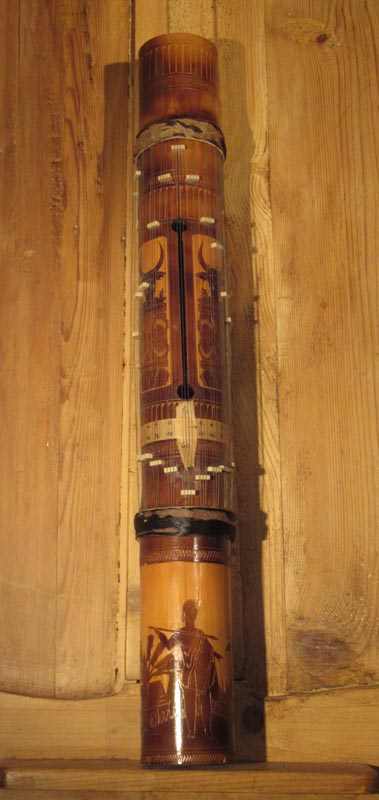
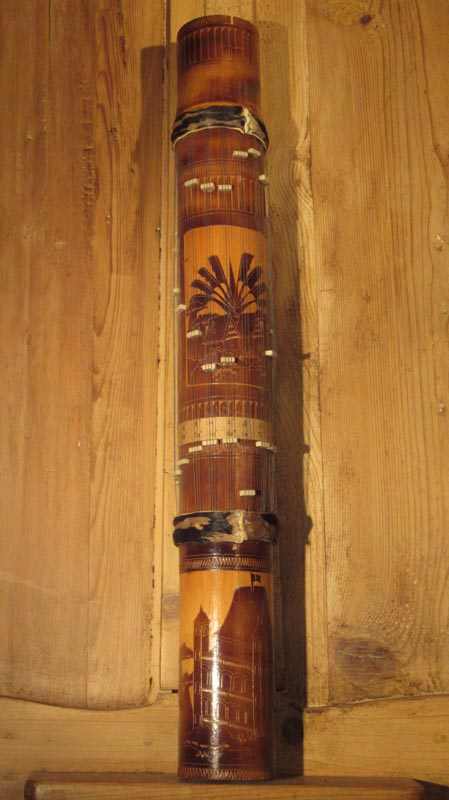
The valiha is a tube zither from Madagascar made from a species of local bamboo; it is considered the “national instrument” of Madagascar. The term is also used to describe a number of related zithers of differing shapes and materials.

The instrument has been held in high regard among the Malagasy particularly in the Merina rule over the island that having long fingernails ideal for plucking its strings were marks “distinguishing the aristocracy from the labourers”. Aside from recreational music, the valiha is also used for ritual music to summon spirits.

It is commonly believed in Madagascar that the valiha is “inherited from King David”, as part of a larger origin myth of Jewish provenance of Malagasy people.

Construction

Historically the instrument was made of the bamboo Valiha diffusa, but in the modern day “bamboo species with longer internodes” are used. The bamboo poles used for building the valiha are chosen between diameters of 5 to 10 cm and preferably cut within a length of 35 to 180 cm.

The valiha generally has 21-24 strings. Historically these were formed of strips of the bamboo body, prised up and raised by small calabash or wooden bridges that also act as movable tuners, but in the modern day the strings are often made of unwound bicycle brake cable tied through nails, though serious players may use standard guitar or piano strings used for churches and folk bands.

A variant instrument, the marovany, is similar in concept but boxlike rather than tubular, and made of wood or sheet metal.

Players

One of the most celebrated valiha players of the twentieth century is Rakotozafy (born 1938). The majority of Rakotozafy’s few recorded performances were made live at the central studio of Malagasy Radio. Sylvestre Randafison is another celebrated valiha artist considered a cultural icon in Madagascar.

https://en.wikipedia.org/wiki/Valiha

no data

You might also be interested in this

Privacy Preferences
When you visit our website, it may store information through your browser from specific services, usually in form of cookies. Here you can change your privacy preferences. Please note that blocking some types of cookies may impact your experience on our website and the services we offer.