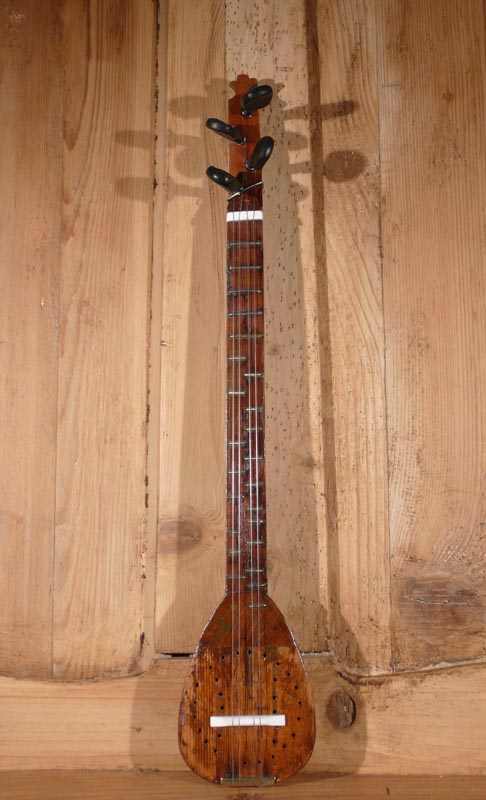
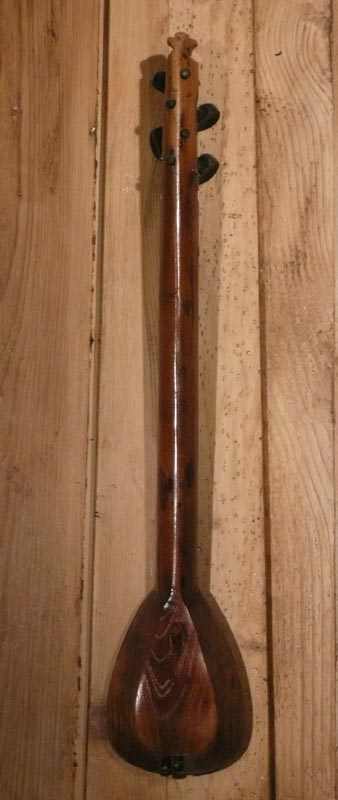
Tambura samica
Add to favorites
Information
| Dimensions | 473 × 88 × 32 mm |
|---|---|
| Name of musical instrument | |
| Type of musical instrument | |
| Typical place of occurrence | |
| Date of manufature of instrument | |
| Place of manufacture | |
| Made by | |
| Restored by | |
| Scale | |
| Number of strings | |
| How to play musical instrument | |
| Continent | |
| Country |
Categories: Europe unspecified
Labels: female tambourine stringed instrument
Tambura samica
Information
| Dimensions | 473 × 88 × 32 mm |
|---|---|
| Name of musical instrument | |
| Type of musical instrument | |
| Typical place of occurrence | |
| Date of manufature of instrument | |
| Place of manufacture | |
| Made by | |
| Restored by | |
| Scale | |
| Number of strings | |
| How to play musical instrument | |
| Continent | |
| Country |
Categories: Europe unspecified
Labels: female tambourine stringed instrument
Description of instrument type
About the instrument maker
Ratings
Description of instrument type
The samica (meaning ‘alone’ in Croatian and Serbian, due to it being played solo) is a small stringed and fretted traditional Croatian and Serbian folk instrument. Its overall shape is similar to that of the dangubica, and has up to four strings. One of these strings is used to play a melody, the rest being used as drones, playing a single note. The samica is often played to accompany dancing and singing. Along with the dangubica, the samica is one of the forerunners of the modern tamburitza.
About the instrument maker
Ratings
You might also be interested in this
Clear Filters