Skip to main content Scroll Top
Instruments from all over the world!
  • Home
  • Europe
  • Germany
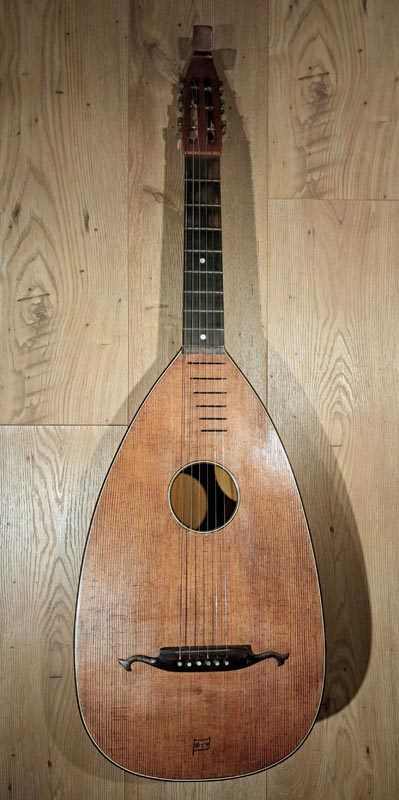
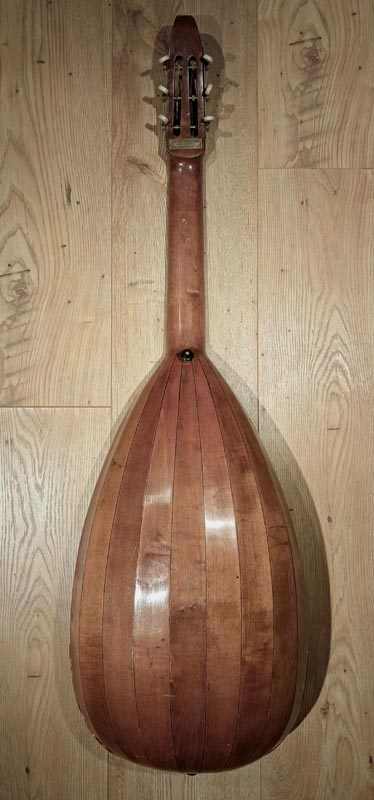
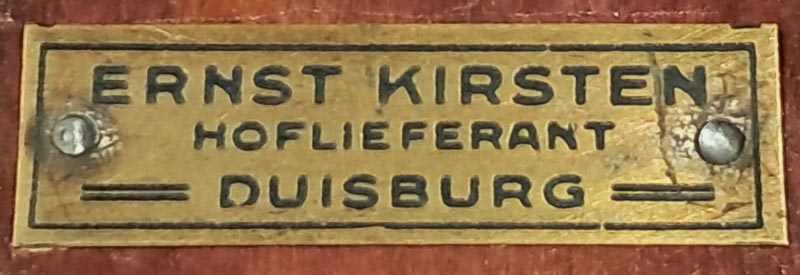
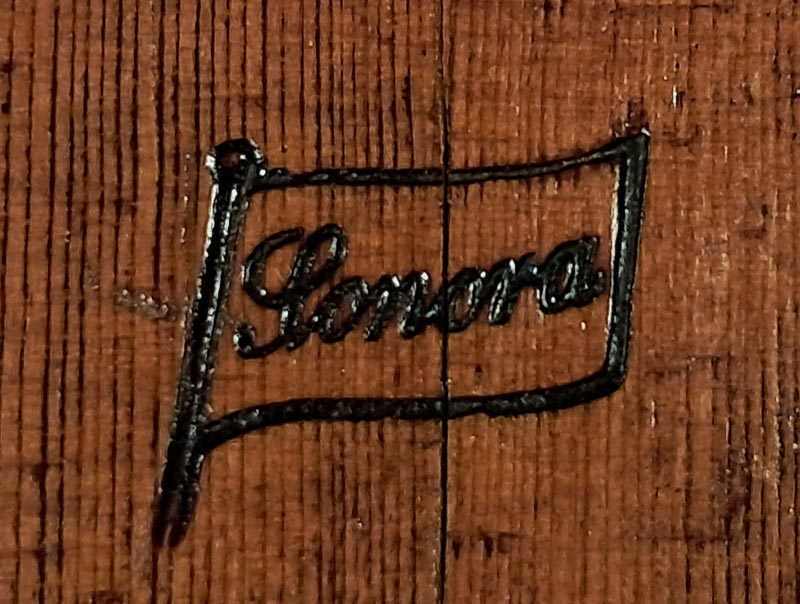
  • Lute – Lute guitar – Sonora – Distributed by Ernst Kirsten – Duisburg

Lute – Lute guitar – Sonora – Distributed by Ernst Kirsten – Duisburg

Add to favorites
Added to Cart View Cart Checkout
Added to Wishlist View Wishlist
Removed from Wishlist
Information
Dimensions 932 × 297 × 132 mm
Name of musical instrument

Type of musical instrument

Typical place of occurrence

Date of manufature of instrument

Place of manufacture

Made by

Restored by

Scale

Number of strings

How to play musical instrument

Continent

Country

Sharing:
Categories:
Labels:

Lute – Lute guitar – Sonora – Distributed by Ernst Kirsten – Duisburg

Information
Dimensions 932 × 297 × 132 mm
Name of musical instrument

Type of musical instrument

Typical place of occurrence

Date of manufature of instrument

Place of manufacture

Made by

Restored by

Scale

Number of strings

How to play musical instrument

Continent

Country

Sharing:
Categories:
Labels:

Lute guitar

A lute guitar or German lute (German: Gitarrenlaute, Deutsche Laute or Wandervogellaute, less commonly a lutar (modern Turkish), gui-lute or gittar) is a stringed musical instrument, common in Germany from around 1850. The instrument has a regular six-stringed guitar setup on a lute bowl, however there are many theorboed variants with up to 11 strings.

The instrument is associated with the Wandervogel countercultural movement in Germany in the first half of the 20th century. 

The name German lute is sometimes also used for the waldzither, for both gaining the status of a national instrument in the early 20th century.

Design

Headstock

The headstock commonly ends in two styles, either a head (representing animals or humanoids) or a curve (into a flat finial, carved or undecorated). Less commonly, instead of gears, wooden pegs may be used to tune the strings. Lute guitar headstocks are thinner and more curved than their modern guitar counterparts.

Neck and fretboard

While the neck of a lute guitar is very similar to that of a modern classical guitar, the fretboard (or fingerboard) design is often different. The fretboard of a modern guitar extends down over the soundboard all the way to the sound hole. However, the lute guitar’s fretboard may be on the same level as the soundboard and stop at the bottom of the neck, with the additional frets continuing down the soundboard independently, similar to the lute’s. The fretboard is occasionally scalloped.

Body

The body of the lute guitar is similar to the rounded body of the traditional lute. Several ribs (or panels) of curved wood (usually maple or rosewood) make up the back of body, glued to a wooden frame underneath. These ribs are sometimes painted to resemble the traditional (or stereotypical) perception of a medieval minstrel or jester. For example, ribs may be painted in alternating colors (e.g. white, green, white and so on).

Soundboard

The lute guitar usually has a bookmatched spruce soundboard with a sound hole, which looks like that of the lute but is much thicker.

Sound hole and rosette

A modern classical guitar usually has a simply cut sound hole. Lute guitars, however, may have intricate designs carved into the soundboard, such as geometric patterns or representational decorations such as flowers, castles, and scrolls. Alternatively, a simple hole may be cut and a pre-carved disk of wood then glued onto the inside of the soundboard; in some cases, multiple layers of disks are designed in a cascading effect.

Bridge

The bridge of a lute guitar works in the same manner as a modern guitar bridge, but also serves as a decorative piece made in various shapes, sizes, and styles, often elaborately carved, for example, ending in swirls on each side.

https://en.wikipedia.org/wiki/Lute_guitar

SONORA

“Sonora” had been a registered trademark of Oscar Adler & Co. of Markneukirchen since 1928, and since then (and perhaps even before the registration) some of their products have been marked with it. When the company was nationalised in the GDR, it also operated for a time under the name VEB Sonora.

https://trompetenforum.de/TF/viewtopic.php?t=13282

ERNST KIRSTEN

Ernst Kirsten was a piano maker/instrument dealer on Münzstrasse in Duisburg from about 1906-25.

https://www.lieveverbeeck.eu/Pianoforte-makers_Germany_ka_kn.htm

Reviews

There are no reviews yet.

Add a review

For security, use of CloudFlare's Turnstile service is required which is subject to the CloudFlare Privacy Policy and Terms of Use.

You might also be interested in this

Privacy Preferences
When you visit our website, it may store information through your browser from specific services, usually in form of cookies. Here you can change your privacy preferences. Please note that blocking some types of cookies may impact your experience on our website and the services we offer.